How AWS Generative AI Tools are Transforming Healthcare and Workflows in 2026
In recent months, the integration of generative AI tools provided by AWS has sparked a revolution across various industries, particularly in healthcare and business operations. As organizations strive for efficiency amidst rising demands, AWS's innovative solutions are not just enhancing productivity but also redefining workflows. For those in sectors like healthcare and sales, understanding these advancements is crucial for staying competitive and responsive to market needs.
AWS Generative AI in Healthcare: A Game Changer
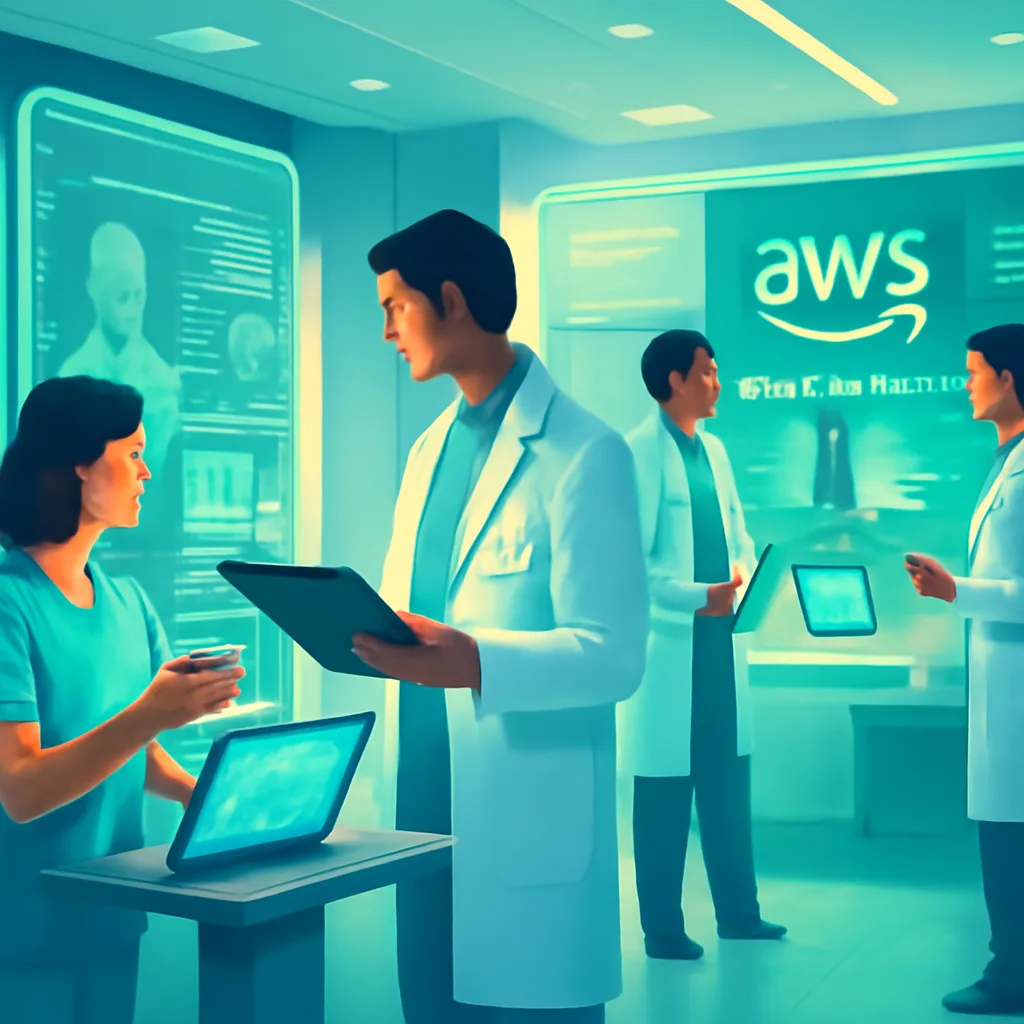
AWS has introduced generative AI tools that significantly impact the healthcare sector. For instance, Paojian Hospital has implemented AWS Bedrock to develop an AI nursing handover system. This system has cut down the time nurses spend on documentation from 105 minutes to just 49 minutes, effectively reducing their workload and allowing them to focus more on patient care (source 2). This transformation highlights how AI can alleviate staffing shortages and improve patient outcomes by streamlining administrative tasks.
The potential for generative AI to enhance healthcare efficiency is not just limited to nursing. It also extends to decision-making processes within medical facilities, where AI-driven insights can lead to better patient management and resource allocation. As healthcare facilities continue to face staffing challenges, utilizing AI tools will become increasingly essential.
[IMG_GEN: futuristic healthcare setting with AI technology in use]
Boosting Sales Efficiency with AI-Enabled Workflows
A recent survey by Gartner reveals that sales organizations leveraging AI-enabled next best actions are 2.6 times more likely to achieve commercial growth compared to their counterparts (source 1). This statistic underscores the growing importance of integrating AI into sales strategies. By providing sales teams with AI-driven insights, organizations can enhance their decision-making processes, ultimately leading to improved customer engagement and higher conversion rates.
The integration of generative AI tools into sales workflows not only streamlines operations but also equips sales personnel with the necessary data to make informed decisions quickly. This capability is crucial in a competitive market where responsiveness can significantly impact sales success.
The Role of AI in Education and Other Industries
Beyond healthcare and sales, generative AI tools are making waves in education and engineering as well. Companies like BenQ are utilizing AWS generative AI to enhance teaching methodologies, resulting in a reported 20-fold increase in work efficiency (source 2). This advancement indicates a broader trend where AI tools are becoming essential in educational contexts, facilitating personalized learning and administrative efficiency.
In engineering, Synopsys's release of Ansys 2026 R1 illustrates how generative AI is revolutionizing design processes. By integrating AI with digital twin technology, engineers can gain insights at the early stages of product development, thereby accelerating innovation cycles and reducing time-to-market (source 2). This trend signals a shift towards a more AI-centric approach in various sectors, emphasizing the need for professionals to adapt to these changes.
Challenges and Considerations for AI Adoption
Despite the numerous benefits associated with generative AI, there are challenges that organizations must navigate. The reliance on AI-generated content raises concerns about creativity and originality, particularly in creative fields like gaming, where industry veterans have voiced concerns over the potential loss of artistic integrity (source 2). Organizations must balance the efficiency gains from AI with the need to preserve human creativity and authenticity.
Furthermore, as seen in China's crackdown on AI-generated content, regulatory environments are evolving. Companies must remain vigilant about compliance and ethical considerations when implementing AI technologies, especially in sensitive areas like healthcare and media.
Key Takeaways
- AWS generative AI tools are significantly enhancing workflows in healthcare, particularly in nursing efficiency.
- Sales organizations using AI for next best actions see 2.6x better commercial growth.
- Educational institutions are adopting AI to improve teaching efficiency and personalize learning.
- There are challenges related to creativity and regulatory compliance that organizations must address when adopting AI technologies.
What to Watch Next
As we move further into 2026, the impact of generative AI tools across various sectors will likely continue to expand. Organizations should keep an eye on emerging AI technologies and best practices for integration, as well as the evolving regulatory landscape that may shape the future of AI in business. The focus should remain on leveraging AI to enhance human capabilities rather than replace them, ensuring that innovation aligns with ethical considerations and industry standards.
In conclusion, the integration of AWS generative AI tools offers significant opportunities for efficiency and growth in healthcare and beyond. By understanding these advancements and their implications, organizations can position themselves for success in an increasingly AI-driven world.
Sources
📰 Sources
This article aggregates 2 sources. Click (source N) inline to jump to the matching entry.
- AWS 推出多項創新 助客戶以生成式 AI 建構應用程式 www.inno-thought.com
- 生成式AI - INSIDE www.inside.com.tw